Storm Damage Roof Insurance Claims Guide for Newton,The nor’easter hit Newton on a Thursday night in January 2024. By Friday morning, a homeowner on Walnut Street in Newton Highlands had three inches of water pooling in her second-floor hallway. An ice dam had backed up under her shingles overnight, and the ceiling beneath her master bedroom had surrendered. The damage estimate came back at $31,400.
Her insurance company initially offered $8,200.
That gap, $23,200 dollars, is not unusual. It is the standard opening position of a claims process that most Massachusetts homeowners are completely unprepared to navigate. The adjuster who inspected her roof spent 22 minutes on site, attributed most of the damage to “pre-existing wear,” and submitted a report that conveniently supported a payout well below replacement cost.
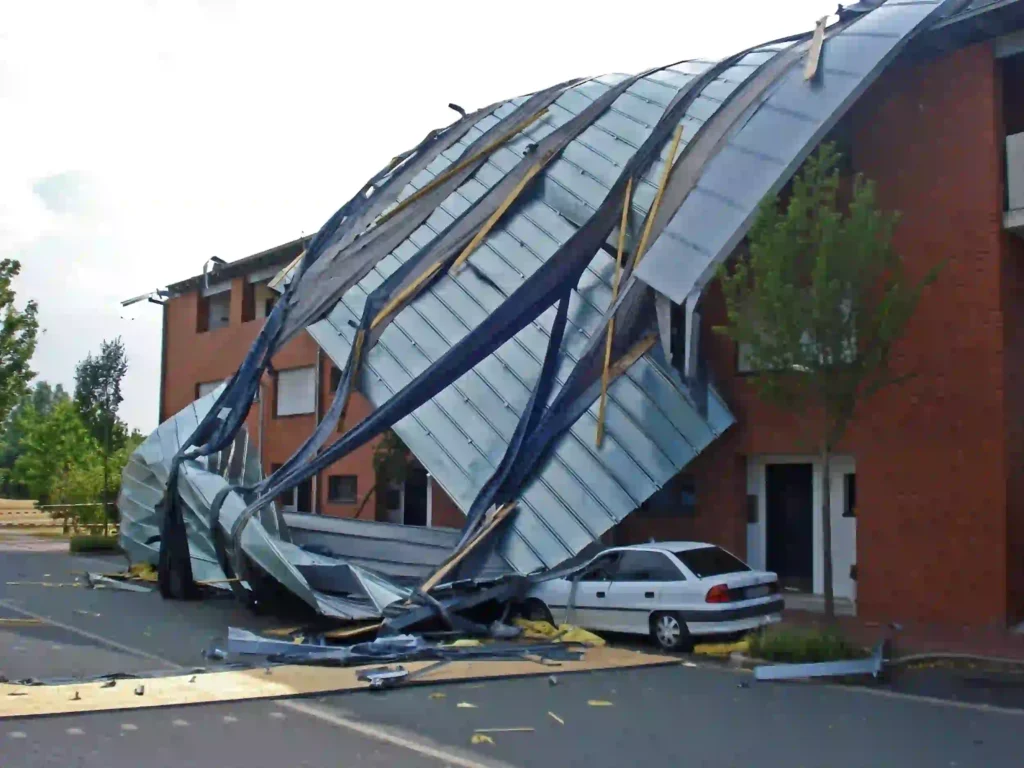
She eventually settled for $24,800 after hiring a public adjuster and providing a contractor’s documented inspection report. The process took four months and required two formal appeals.
This guide exists to close that knowledge gap before you need it. Whether you are dealing with wind damage after a coastal storm, hail impact from a spring squall line, or the ice dam destruction that Newton homeowners face every significant winter, here is exactly what to do, when to do it, and how to protect every dollar you are owed.
Does Homeowner’s Insurance Actually Cover Roof Damage in Massachusetts?
The answer is yes, with conditions that matter enormously. Standard Massachusetts homeowner’s insurance policies cover sudden and accidental damage caused by specific perils. For roofs, those covered perils typically include windstorm, hail, ice damming, falling objects, and fire.
What insurance does not cover is equally important: gradual deterioration, wear and tear, poor maintenance, and manufacturer defects. The problem is that insurance adjusters are trained to identify and document anything that could support a “wear and tear” denial, even when legitimate storm damage exists on the same roof.
Massachusetts operates under two fundamentally different payout structures, and the one your policy uses changes everything.
Replacement Cost Value (RCV) policies pay to restore your roof to its pre-damage condition using current materials and labour costs. If storm damage destroys a 10-year-old architectural shingle roof, RCV pays for a full new roof of equivalent quality.
Actual Cash Value (ACV) policies deduct depreciation before paying. That same 10-year-old roof on an ACV policy might receive a payout reflecting only 50 percent of replacement cost, because the insurer calculates that the roof had already consumed half its useful life.
Many Newton homeowners switched unknowingly from RCV to ACV coverage when their insurers repriced policies after the 2020 to 2022 storm cycle hit Massachusetts particularly hard. Check your declarations page right now, before any storm occurs. Look for the words “replacement cost” or “actual cash value” in the roof coverage section. If you are not sure what you have, call your agent and ask directly.
How to Document Roof Storm Damage for an Insurance Claim
Documentation is the single highest-leverage activity in a storm damage insurance claim. The homeowner on Walnut Street initially called her insurance company before she photographed anything. By the time the adjuster arrived, an emergency tarp had covered the worst visible damage. That mistake cost her months of appeals.
Here is the correct sequence, starting the moment you realise damage has occurred.
- Photograph everything before any repairs or temporary weatherproofing. Use your smartphone with location services enabled so each photo carries a GPS timestamp. Photograph from multiple angles: ground level showing the full roofline, close-up shots of impact points or displaced shingles, and interior photos showing any water intrusion with the date and time visible.
- Document the storm itself. Save weather service reports from the National Weather Service Boston office (weather.gov) showing wind speeds, hail reports, or precipitation totals for Newton on the date of the event. Insurance adjusters cannot argue with official weather data.
- Hire a licensed roofing contractor for a formal inspection before the adjuster arrives. A written inspection report from a qualified Newton roofing contractor carries real weight in the claims process. It establishes a professional baseline assessment that is harder to dismiss than a homeowner’s verbal account.
- Keep every receipt for emergency expenses. Tarping costs, hotel stays if your home becomes uninhabitable, water extraction, and mould remediation expenses are often reimbursable under your policy’s Additional Living Expenses (ALE) provisions. Most Newton homeowners do not claim these, leaving legitimate money on the table.
What Happens During an Insurance Adjuster’s Roof Inspection
Here is something the insurance industry does not advertise: staff adjusters and independent adjusters work for the insurance company. Their assessment directly affects what the insurer pays out. This is not a conspiracy. It is simply the structure of the process.
The average adjuster inspection in Massachusetts takes 20 to 45 minutes for a residential roof. In that time, the adjuster photographs damage, measures affected areas, and notes the roof’s approximate age and general condition. Their written report determines the scope of covered damage and the payout calculation.
You have the right to be present during the inspection. Use it. Walk the roof with the adjuster if you safely can, or at a minimum be available to point out interior damage, original installation dates, and any pre-storm maintenance records you have.
Several things adjusters commonly miss on quick inspections: granule loss in gutters and downspouts indicating shingle impact damage, micro-fractures in shingle tabs from hail strikes that show up in raking light, flashing damage at chimney bases and valleys, and soffit and fascia damage from wind events. A contractor who specialises in storm damage documentation in Newton and Middlesex County knows how to identify and photograph each of these.
Understanding the Nor’easter Roof Damage Claim in Massachusetts
Newton is uniquely exposed to weather events that generate contested insurance claims. The combination of coastal nor’easters bringing wind and heavy wet snow, spring hail events, and severe summer thunderstorm lines means that Newton homeowners file storm damage roof claims at rates significantly above the Massachusetts average.
Nor’easter claims present a specific challenge: they frequently involve ice dam damage, which some insurers attempt to classify as a maintenance issue rather than a storm event. Massachusetts courts have ruled on this repeatedly, and the general legal principle is that ice dam damage resulting from a specific storm event is covered under standard policies.
Wind damage claims after nor’easters or summer storm events are more straightforward, but adjusters frequently dispute whether lifted or displaced shingles represent storm damage or pre-existing installation failure. Your dated contractor inspection and weather service documentation are critical here.
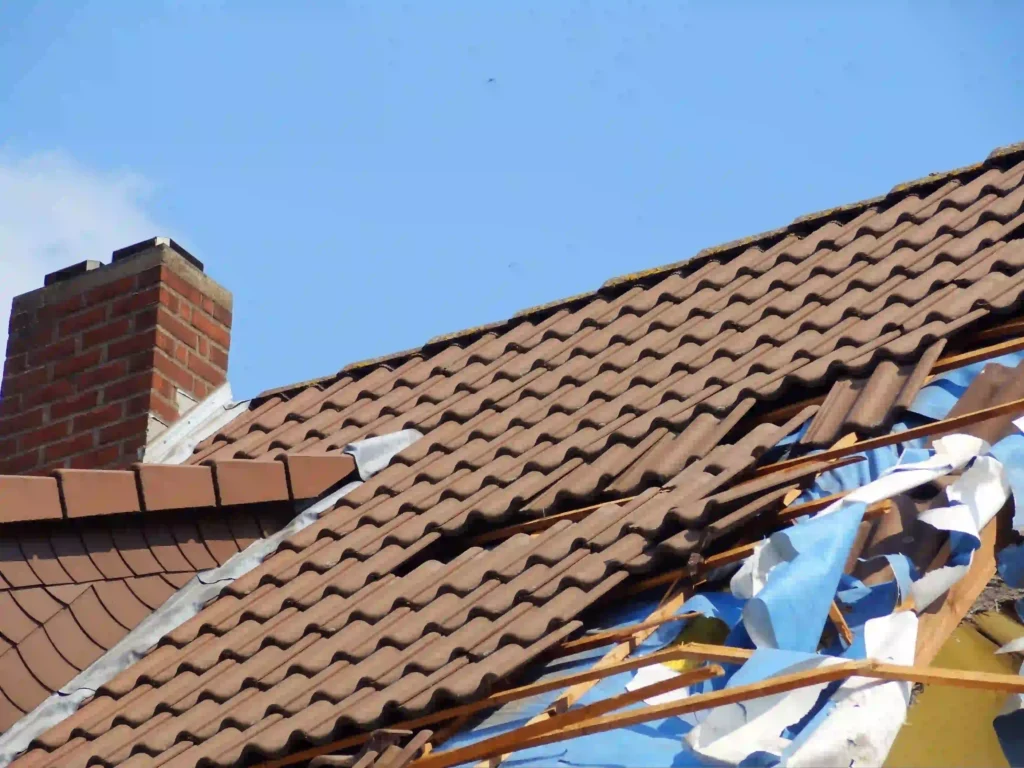
Hail damage claims in Newton typically follow the spring storm season (March through June) and fall storm season (September through November). Hail damage creates circular impact points on shingles with a characteristic bruised appearance and exposed substrate. It is often invisible from ground level and requires a roof inspection to document properly.
The statute of limitations for filing a property insurance claim in Massachusetts is generally three years from the date of the storm event, established under Massachusetts General Laws Chapter 175. However, most policies include a notice provision requiring “prompt” reporting of damage. Do not wait. File your notice of claim within days of discovering damage, even if your full documentation is not complete.
The ACV vs. RCV Gap: Where Newton Homeowners Lose the Most Money

When your policy pays on a Replacement Cost Value basis, the insurer typically makes the payment in two stages. The first payment, called the Actual Cash Value payment, arrives with depreciation already deducted. The remaining amount, called recoverable depreciation, is released after you complete repairs and submit invoices proving the work was done.
Here is what most Newton homeowners do not know: recoverable depreciation must be claimed. It does not arrive automatically. You must complete the work, submit documentation to your insurer, and formally request the supplemental payment. Insurance companies do not send reminder notices. Millions of dollars in recoverable depreciation go unclaimed every year in Massachusetts because homeowners assume the first check was the final settlement.
The timeline matters too. Most RCV policies require you to complete repairs and claim recoverable depreciation within 180 to 365 days of the initial payment. Check your policy for the specific window.
On a typical Newton roof replacement costing $18,000 to $24,000, the depreciation holdback on a 15-year-old roof might represent $6,000 to $9,000. That is a significant sum that belongs to you if you file correctly and on time.
When to Hire a Public Adjuster for Your Newton Roof Claim
A public adjuster is a licensed professional who represents the policyholder, not the insurer, during the claims process. In Massachusetts, public adjusters are licensed by the Division of Insurance and operate on contingency, typically charging 10 to 15 percent of the final claim settlement.
The homeowner on Walnut Street hired a public adjuster after her initial denial. Her PA identified four items the staff adjuster had missed entirely: soffit damage on the north face, water intrusion at a previously sealed valley, hail impact damage to two dormers, and damage to a recently installed skylight. Those four items added $16,600 to her claim.
Public adjusters make financial sense when your claim exceeds $15,000, when the insurer’s initial offer feels significantly below the actual damage scope, or when your claim has been partially denied. For smaller claims, the PA’s contingency fee may consume most of the additional recovery.
Before hiring any public adjuster in Massachusetts, verify their license at the Massachusetts Division of Insurance licensee lookup tool. Ask for references specifically from Newton or Middlesex County homeowners. Be cautious of roofing contractors who offer to “handle your claim” in exchange for the contract. This practice creates legal and financial complications and is increasingly restricted under Massachusetts insurance regulations.
What Roof Damage Is Not Covered by Homeowner’s Insurance
Gradual deterioration is the most commonly cited exclusion. If your roof has reached the end of its functional lifespan through normal ageing, insurance does not cover replacement, even if a storm accelerates the final failure.
Faulty installation is excluded under most policies. If shingles were improperly installed and failed during a wind event because of the installation defect rather than the storm’s force, the claim may be denied.
Flood damage is excluded under standard homeowner’s policies. Water that enters through a storm-damaged roof is covered. Water that backs up from street flooding is not. Newton homeowners in lower-elevation areas near the Charles River watershed should carry separate flood coverage through the National Flood Insurance Program.
Lack of maintenance is the most contested exclusion in Massachusetts roof claims. The legal standard requires that the insurer demonstrate that maintenance neglect was the proximate cause of the damage, not merely a contributing factor. If storm-force winds caused the damage, maintenance history is largely irrelevant to coverage.
How to Appeal a Denied or Underpaid Roof Claim in Massachusetts
A denial or low offer is not the end of the process. It is the beginning of the next phase.
- File a formal written appeal to your insurer. Request a complete copy of the adjuster’s report and the specific policy language supporting the denial. Review both carefully. Your written appeal should address each denial reason with specific counter-documentation.
- If your appeal is unsuccessful, file a complaint with the Massachusetts Division of Insurance Consumer Services Unit. The Division has the authority to investigate insurer conduct and compel responses. Many claims that were denied at the adjuster level resolve during Division intervention.
- Engage an attorney who specialises in property insurance disputes. Massachusetts general laws provide for attorneys’ fees and interest in cases where an insurer wrongfully withholds payment.
- Use the appraisal process available under most Massachusetts policies. When the insurer and homeowner agree that coverage exists but disagree on the amount, each party selects an independent appraiser. Those two appraisers then select an umpire. The umpire’s decision on the disputed amount is binding on both parties within 60 to 90 days.
Comparing Your Options When the Claim Gets Complicated
| Approach | Best For | Cost | Timeline | Risk |
| Handle claim yourself | Simple damage under $10K | Free | 30–60 days | May miss coverage items |
| Public adjuster | Claims over $15K, partial denials | 10–15% of settlement | 60–120 days | PA fee reduces net recovery |
| Division of Insurance complaint | Insurer bad faith | Free | 30–90 days | Non-binding |
| Appraisal process | Agreed coverage, disputed amount | $500–$1,500 appraiser fee | 60–90 days | Binding outcome |
| Property insurance attorney | Wrongful denial, large claims | Contingency 25–40% | 6–24 months | Lengthy process |
Frequently Asked Questions: Roof Storm Damage Insurance Claims in Newton, MA
How long do I have to file a roof damage claim in Massachusetts?
Massachusetts General Laws Chapter 175 provides a three-year statute of limitations for property insurance claims. However, your policy likely contains a prompt notice requirement. File your notice of claim within days of discovering damage, even if your documentation is incomplete. Missing the notice window can result in denial regardless of the statute of limitations.
Will insurance pay for a full roof replacement after storm damage in Newton?
It depends on your policy type and the scope of damage. RCV policies pay for full replacement if the damage warrants it. ACV policies deduct depreciation. If damage affects less than 25 percent of the roof, some insurers will push for partial repair rather than full replacement. A roofing inspection contractor’s report documenting why partial repair is inadequate often supports a full replacement claim.
How does an insurance adjuster decide what storm damage is covered?
The adjuster evaluates whether each damaged area shows characteristics consistent with the claimed storm event: impact patterns, directionality of damage, correlation with documented weather conditions. They also assess the roof’s age and pre-storm condition. Detailed weather data and a contractor’s independent inspection report significantly strengthen your position.
Is ice dam damage covered by homeowner’s insurance in Massachusetts?
Generally, yes, when the ice dam results from a specific storm event. Massachusetts case law supports coverage for storm-induced ice dam damage. However, if an insurer argues that inadequate attic insulation was the primary cause, they may attempt a partial denial. Document the storm event carefully and obtain a roofing contractor’s assessment addressing both the weather cause and the resulting damage pathway.
What should I photograph for a roof insurance claim?
Photograph every point of visible exterior damage from multiple angles with timestamps enabled. Document interior water intrusion, damaged ceilings, and affected belongings. Photograph gutters and downspouts for granule accumulation, indicating shingle impact. Capture your home’s full exterior to establish the pre-repair condition. Use a video walkthrough in addition to still photos for complex damage scenarios.
Can a roofing contractor help with my insurance claim in Massachusetts?
A licensed roofing contractor can provide documented inspection reports, written estimates, and material specifications that support your claim. They cannot legally act as your representative with the insurer or negotiate on your behalf. That role belongs to a public adjuster. Be cautious of contractors who frame their services as “handling your claim,” as this creates legal exposure.
What if my roof damage claim is denied?
Request the complete adjuster report and the specific policy exclusion cited. File a written appeal addressing each denial reason with counter-documentation. If the appeal fails, file a complaint with the Massachusetts Division of Insurance. For claims above $15,000, consult with a property insurance attorney before accepting any final denial.
How does depreciation affect my roof insurance payout in Massachusetts?
On ACV policies, depreciation is deducted upfront and the payment reflects only current value. On RCV policies, depreciation is withheld initially but released after repairs are completed and documented. You must actively claim this recoverable depreciation. Most policies give you 180 to 365 days after the initial payment to complete repairs and file for the full replacement cost amount.
Your Next Steps After a Newton Storm Event
The homeowner on Walnut Street eventually got most of what she was owed. Four months, two formal appeals, and a public adjuster later, she had a new roof and a settlement that covered most of her actual costs. But she also said something worth remembering: “I wish I had known any of this before I called my insurance company the morning after the storm.”
That is the real cost of going in unprepared. Not just money, although that is significant. It is months of stress, uncertainty, and negotiating against professionals who navigate this process every single day.
Your preparation list for today, before any storm occurs: check your policy for RCV versus ACV language, confirm your coverage limits and deductible amounts, save the contact information for your insurer’s claims department and two Newton roofing contractors you trust, and bookmark the Massachusetts Division of Insurance consumer complaint page.
After the next storm: photograph before you repair, file your notice of claim promptly, get a contractor’s written inspection before the adjuster arrives, and track every expense related to the damage.
You paid for this coverage. Knowing how to use it is not optional. It is the difference between a claim that makes you whole and one that leaves you thousands of dollars short of what you need.
Have you been through a roof insurance claim in Newton or elsewhere in Massachusetts? What did you wish you had known going in? Leave your experience in the comments. Real homeowner knowledge is more valuable than any guide, including this one.
This guide reflects Massachusetts insurance regulations and Newton building department requirements as of early 2026. Consult a licensed Massachusetts insurance professional or attorney for guidance specific to your policy and situation.