Roof Repair Estimate Newton MA, Three estimates for the same repair can come back looking like they’re describing three different roofs. One is a single handwritten number on a business card. Another is two pages of line items and product names. The third falls somewhere in between, with a total that’s either suspiciously low or oddly high compared to the other two. Most homeowners default to picking the middle number and hoping for the best. That’s not actually a strategy, it’s a guess.
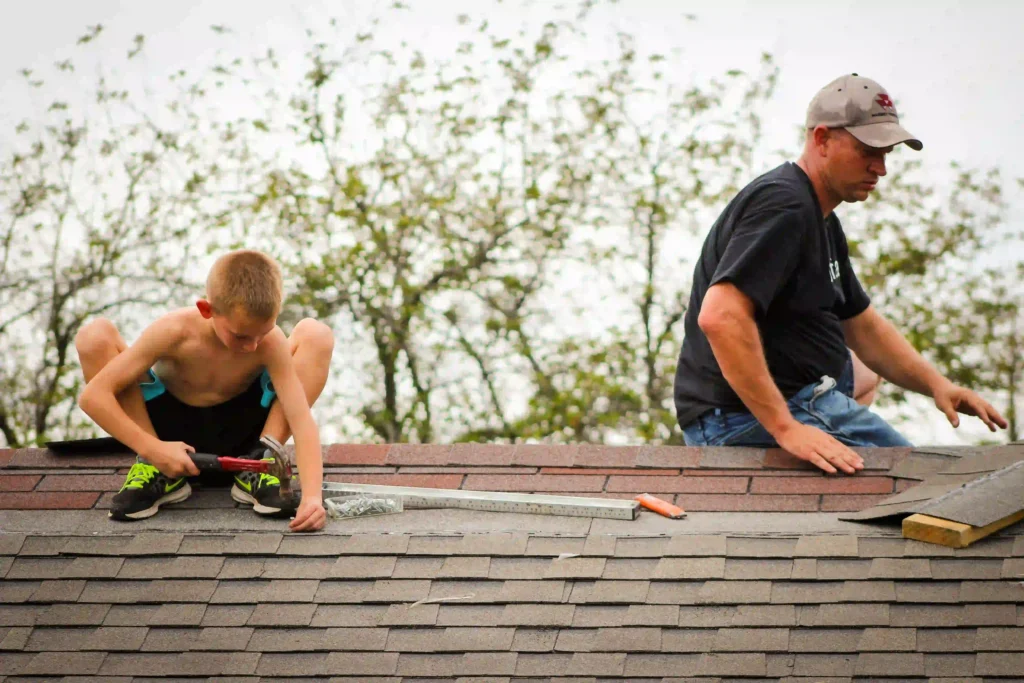
A roof repair estimate is a document, and like any document, it can be read carefully or skimmed. The difference between those two approaches is often the difference between paying a fair price for real work and paying a padded price for vague promises. Here’s what an estimate should actually contain, and what its absence usually means.
Why Estimates Are So Hard to Compare in the First Place
When you request quotes from multiple roofing contractors, you typically get back documents that look nothing alike. One is a single page. Another runs several pages with detailed line items. A third might be a handwritten note with a total and not much else. This isn’t an accident, and it isn’t always a red flag on its own, but it does make comparison genuinely difficult by design.
When estimates are hard to compare directly, the contractor with the most polished sales pitch tends to win the job, not necessarily the one offering the fairest price for the actual scope of work. The fix isn’t picking the prettiest document. It’s knowing which specific line items a legitimate estimate should include, so you can check for them regardless of how the document is formatted.
The Line Items a Legitimate Roof Repair Estimate Should Include
A detailed estimate breaks the job into distinct components rather than presenting one flat number. For a repair specifically, that typically means:
Scope of the repair itself. What exactly is being fixed, and how much of the roof does it cover. A repair for “damaged shingles” without specifying the affected area or approximate square footage leaves too much room for the final invoice to grow.
Materials, specified by type. Generic language like “architectural shingles” without a brand or product line is a gap worth asking about. Materials genuinely vary in cost and quality, and a vague material description makes it hard to know what you’re actually paying for.
Flashing and underlayment work, if applicable. If the repair involves any flashing replacement or underlayment beneath the affected shingles, this should appear as its own line rather than being folded silently into “labor.”
Labor, itemized separately from materials. Seeing labor and materials broken apart, rather than combined into one number, makes it possible to sanity-check each piece against typical market rates.
Decking repair contingency. Even a straightforward shingle repair can reveal rotted decking once the old material comes off. A legitimate estimate should address this possibility directly, ideally with a stated per-sheet price if Roof Replacement becomes necessary, rather than leaving it as an open-ended “as needed” that can turn into an unpleasant surprise mid-job.
Cleanup and disposal. Removing old materials and debris should be included, not treated as a separate charge that appears only once the work is already underway.
Payment schedule. A reasonable payment structure tied to project milestones, rather than a large upfront deposit before any work has started, is a normal and expected part of a legitimate estimate.
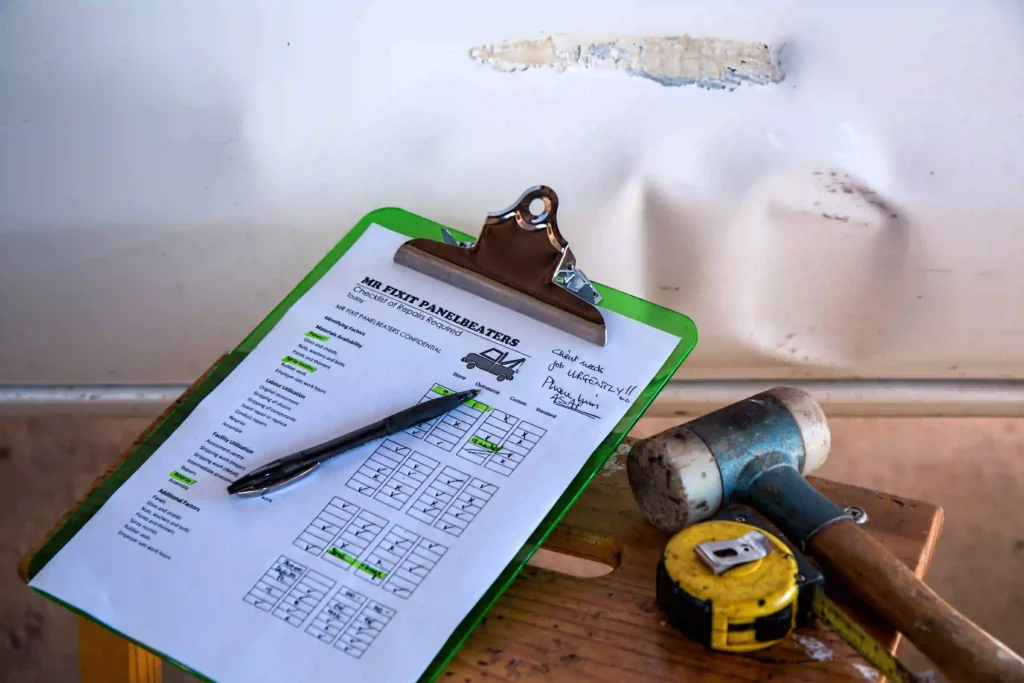
Red Flags That Suggest an Estimate Is Overpriced or Untrustworthy
Vague, one-line totals with no breakdown. An estimate that’s just a single number with no itemization makes it impossible to know what you’re actually paying for, or to compare it meaningfully against another contractor’s quote.
Unusually low bids. It’s tempting to assume the lowest number is the best deal, but a bid significantly under the other quotes you’ve received often signals inferior materials, inexperienced labor, or a plan to make up the difference through change orders once the job has started.
Pressure to sign immediately. A legitimate contractor gives you time to review an estimate and compare it against others. Pressure tactics, especially ones tied to a “today only” discount, are a classic sign of a sales approach prioritizing a fast signature over an informed decision.
No physical inspection before the quote. A number given over the phone or from a quick look from the driveway, without an actual inspection of the damage, isn’t a real estimate. It’s a guess, and guesses tend to grow once the contractor is already on the roof and has more leverage to add charges.
Full decking replacement recommended without documentation. If a contractor recommends replacing all the decking due to rot or mold, ask for photos. This is a legitimate and sometimes necessary recommendation, but it’s also one of the more common places padding gets added to an estimate, since decking work is priced by the sheet and difficult for a homeowner to verify after the fact.
Cash-only pricing with a discount. A cash discount tied specifically to avoiding a paper trail is worth treating with caution. It’s not automatically fraudulent, but it removes some of the documentation protections a standard payment method provides if a dispute comes up later.
How to Actually Compare Multiple Estimates
Roof Repair Estimate Newton MA, Getting at least three estimates is the standard advice for a reason. It establishes what the typical market rate actually looks like for your specific repair, and it makes an outlier, in either direction, much easier to spot.
The comparison itself works best line by line rather than total to total. Line up each estimate’s material specifications, labor breakdown, and scope of work side by side, and look specifically for what’s missing from each one rather than just what’s included. A quote that’s $400 higher than the others but specifies a name-brand shingle with a documented warranty may represent better value than a lower quote using a generic material description. A quote that’s meaningfully lower with no real breakdown deserves a direct question about what’s actually being left out.
What a Fair Price Actually Depends On
Roof Repair pricing varies meaningfully based on the type and extent of the damage, not just the contractor doing the work. A section of flashing repair around a chimney costs differently than replacing a handful of storm-damaged shingles, and both cost differently than a repair that also requires decking replacement once the old material comes off. This is exactly why a detailed, itemized estimate matters more than a single bottom-line number: it lets you see whether the price reflects the actual scope of your specific repair, rather than a generic number applied regardless of what’s actually wrong with the roof.
Licensing and insurance also factor into legitimate pricing. A properly licensed and insured Massachusetts contractor carries costs a fly-by-night operation doesn’t, and that difference shows up in the price. The lowest bid from an unlicensed or uninsured contractor isn’t actually the better deal if something goes wrong mid-project and there’s no recourse.
When It’s Worth Getting a Second Opinion
If an estimate recommends work that seems disproportionate to the damage you’re aware of, particularly a recommendation to replace significant sections of decking or move from a repair to a full replacement, a second opinion before signing anything is a reasonable step. This is especially true when the recommendation isn’t backed by photos or a clear explanation of what was found during the inspection.
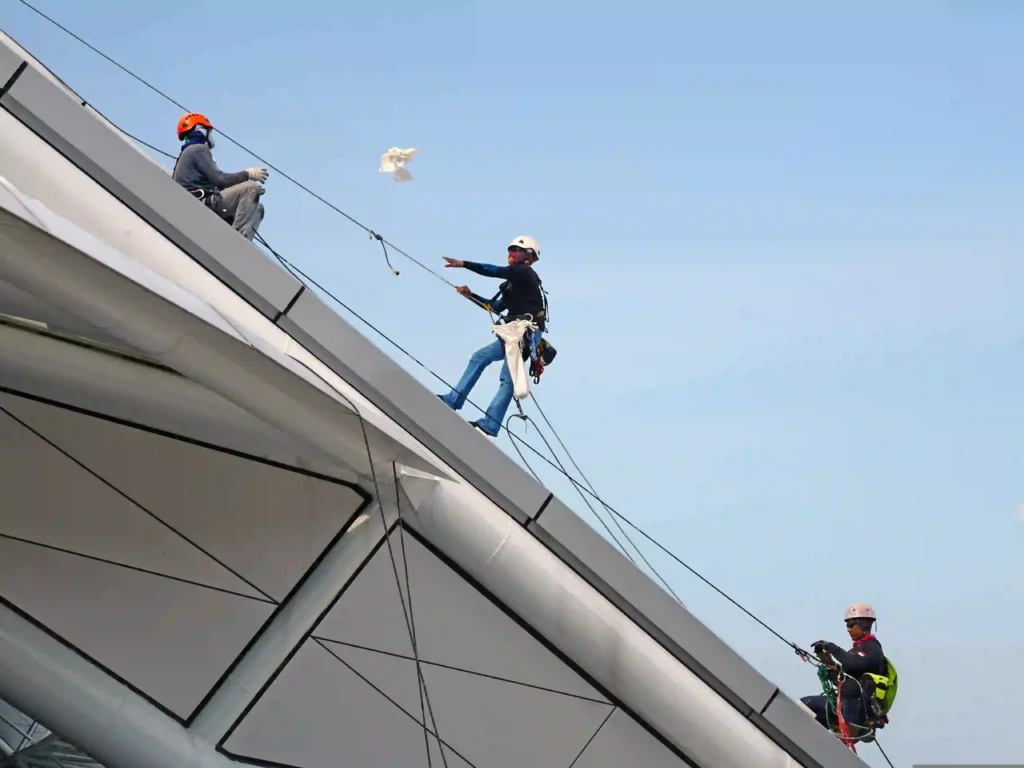
A second opinion isn’t about assuming bad faith from the first contractor. It’s about confirming that a significant recommendation, and the price attached to it, holds up under an independent look at the same roof.
Frequently Asked Questions
What should a roof repair estimate in Newton, MA actually include? A legitimate estimate should itemize the scope of the repair, specific materials by brand or type, labor separate from materials, any decking repair contingency, cleanup and disposal, and a reasonable payment schedule, rather than presenting a single unexplained total.
Is the cheapest roofing estimate always the best deal? Not necessarily. A bid significantly below the others you’ve received can indicate inferior materials, inexperienced labor, or a plan to add charges once the job is underway, rather than genuine savings.
How many roofing quotes should I get before choosing a contractor? At least three is the standard recommendation, since it establishes a realistic sense of the typical market rate for your specific Roof Repair and makes it easier to identify an estimate that’s an outlier in either direction.
Why did my estimate go up once the contractor started the repair? This usually happens when decking damage is discovered after old materials are removed. A legitimate estimate should address this possibility upfront with a stated per-sheet price, rather than leaving it as an open-ended surprise.
Should I be worried if a contractor offers a cash discount? Not automatically, but a discount tied specifically to avoiding standard payment documentation is worth a direct question, since it can reduce your protection if a dispute arises later.
What does it mean if an estimate doesn’t specify the shingle brand? Generic material descriptions like “architectural shingles” without a brand or product line make it difficult to verify the quality and warranty coverage you’re actually paying for, and it’s reasonable to ask for that detail before agreeing to the work.
Is it normal to pay a deposit before roof repair work starts? A reasonable deposit tied to project milestones is standard. A large upfront payment before any work has begun, especially combined with pressure to sign quickly, is worth more scrutiny.
How do I know if a decking replacement recommendation is legitimate? Ask for photos of the damage found. A legitimate recommendation for decking replacement should be backed by documentation you can actually see, not just a verbal assessment after the fact.
An estimate that holds up to line-by-line scrutiny is one you can trust. One that only holds up as a single unexplained number usually doesn’t survive the questions. If you want a roof repair estimate that actually breaks down what you’re paying for, Newton Roofing Company provides a detailed, itemized quote before any work begins. Call (857) 219-9090 or request a free estimate to see exactly what a transparent breakdown looks like.