Pre-Listing Roof Inspection Newton MA, A buyer’s home inspector finds curling shingles and a soft spot near the chimney. That single line in the inspection report can reopen a negotiation that felt finished, cut thousands off an accepted offer, or push a closing date back by weeks while everyone scrambles to sort out who pays for what. None of it had to happen this way. A roof problem discovered by your buyer’s inspector is a negotiation. A roof problem you already knew about and addressed before listing is just a line item in your disclosure, already handled.
Massachusetts doesn’t require you to disclose much about your home’s condition before you sell it. That legal reality creates a strange incentive: because you’re not required to know what’s wrong with your roof, most sellers simply don’t find out until a buyer’s inspector tells them, at the worst possible moment in the transaction. A pre-listing roof inspection flips that timeline, and for a lot of Newton homeowners with older housing stock, it’s the difference between a smooth sale and a renegotiated one.
Massachusetts Is a Caveat Emptor State, and That Changes Your Strategy
Massachusetts follows a “caveat emptor,” or buyer beware, legal standard for home sales. Unlike some states that require sellers to complete a detailed disclosure form covering the roof, foundation, and mechanical systems, Massachusetts only legally requires two specific disclosures: the presence of lead paint in homes built before 1978, and the condition of a septic system where the property isn’t connected to municipal sewer under Title 5 of the state’s environmental code.
That means, technically, you’re not required to say anything about your roof’s condition unless a buyer or their agent asks you directly. But there’s an important catch that changes the practical calculation: real estate agents in Massachusetts are held to a higher disclosure standard than sellers themselves. Under state consumer protection law, a listing agent who knows about a material defect, including a roofing problem, is required to volunteer that information to a buyer, not simply wait to be asked. If your agent already knows your roof has issues, that knowledge doesn’t stay quiet just because the law doesn’t force you personally to disclose it.
The practical result: you’re going to have a roof conversation with your buyer at some point in the transaction, whether it happens on your terms before listing or on the buyer’s inspector’s terms during the home inspection period. One of these timings gives you control over cost and framing. The other doesn’t.
Why This Matters More for Newton’s Older Housing Stock
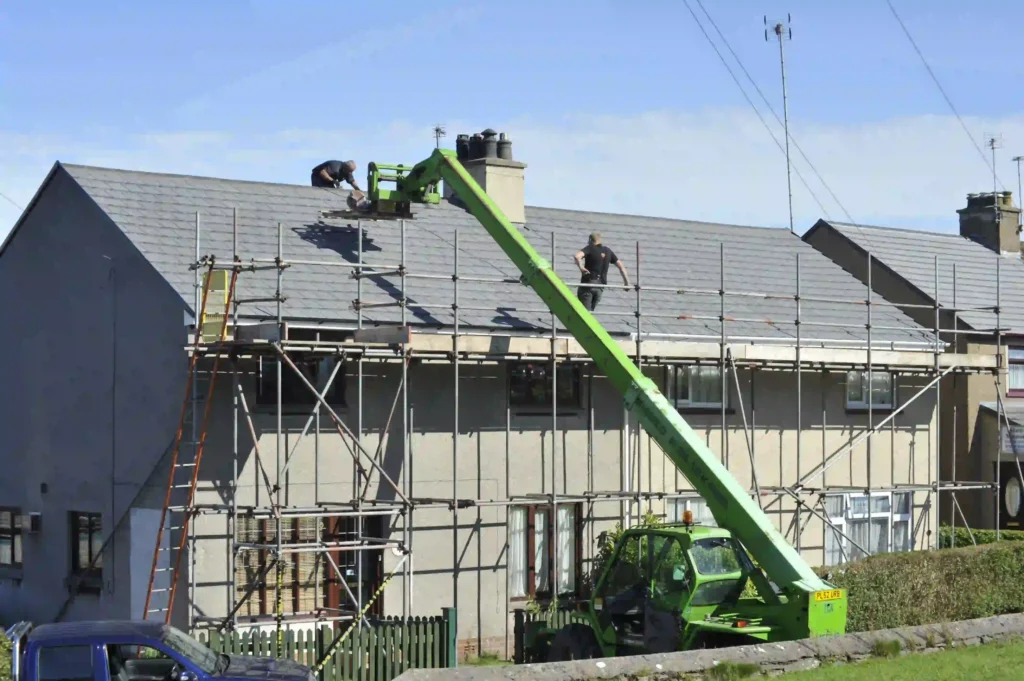
Newton’s mix of Colonial, Victorian, Cape Cod, and Tudor homes means a meaningfully higher share of local roofs are approaching or past the point where age itself becomes a talking point in a sale. A roof at 22 years old isn’t necessarily a problem, but it’s exactly the kind of detail a buyer’s inspector will flag, and exactly the kind of detail that invites a request for a price reduction or a credit at closing, even when the roof still has functional years left.
Homes in Newton Centre or Chestnut Hill with original slate carry a different version of this same dynamic. A slate roof in genuinely good condition is a selling point. A slate roof with unclear condition, where neither the seller nor the listing agent can speak confidently about the flashing or the fastening system underneath, creates uncertainty a buyer’s inspector will likely flag, and uncertainty is exactly what stalls negotiations.
What a Pre-Listing Roof Inspection Actually Covers
A proper pre-listing inspection goes beyond a glance from the ground. It should include a physical assessment of the roof surface, the attic from the inside, and every point where the roof is penetrated by something other than flat surface.
Shingle or material condition. This means checking for curling, cracking, granule loss, or missing sections across the entire roof, not just the areas visible from the driveway.
Flashing at every penetration. Chimneys, skylights, vent stacks, and roof valleys are the most common sources of leaks, and flashing failure at any of these points is exactly the kind of finding that shows up in a buyer’s inspection report if it isn’t caught first.
Attic assessment from the inside. This includes checking for water stains on the underside of the roof deck, signs of past or active leaks, insulation levels, and ventilation balance. A buyer’s inspector will do this too, so there’s no advantage to skipping it yourself.
Gutters and drainage. Sagging, disconnected, or improperly pitched gutters are a common and relatively low-cost fix that otherwise shows up as a line item on someone else’s report.
Evidence of past ice dam damage. Given how common ice dams are in this region, checking for water staining near the eaves or in attic corners is worth doing specifically, even if there’s no active leak at the time of inspection.
Age and remaining service life. An inspection should give you a realistic estimate of how many years the current roof has left, which directly informs how you price and market the home.
Repair, Disclose, or Price Around It: Your Three Real Options
Once you know what your roof’s condition actually is, you have three reasonable paths, and the right one depends on the finding itself.
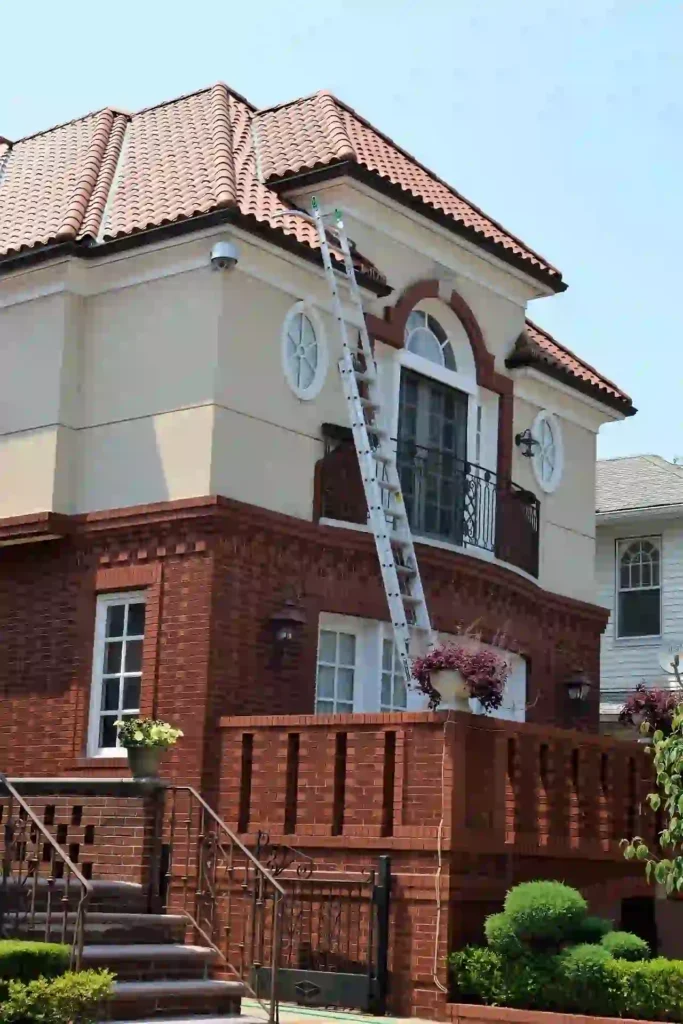
Repair before listing makes sense for anything relatively contained: a section of damaged flashing, a handful of missing shingles, minor gutter issues. These are typically inexpensive fixes that remove a negotiating point entirely, and buyers respond better to a listing where visible issues have already been addressed than to one where they’re left wondering what else might be wrong.
Disclose and provide documentation is the right approach when a repair isn’t practical before listing, or when the roof is simply aging but still functional. Providing a written inspection report proactively, rather than waiting for the buyer’s inspector to find the same information, changes the tone of the conversation. A seller who says “we know the roof is 19 years old, here’s a professional assessment of its remaining life” comes across very differently than one who seems surprised by their own home’s condition.
Price around known issues is reasonable for a roof that clearly needs replacement soon but isn’t actively failing. Rather than Roof Replacing a roof you may not personally benefit from for another 20 years, pricing the home to reflect that upcoming cost, with documentation to back up the number, is often more cost-effective than the replacement itself.
What Happens If You Skip This and a Buyer’s Inspector Finds Problems
The most common outcome isn’t the sale falling through. It’s a delay and a renegotiation. A buyer’s inspection report flagging roof issues typically leads to one of a few responses: a request for a price reduction, a request for a credit at closing to cover the repair or replacement, or a request that the seller complete the repair before closing.
Any of these options costs you leverage compared to addressing the issue on your own timeline. A seller negotiating from “here’s what we found and already fixed” has a fundamentally stronger position than one negotiating from “here’s what the buyer’s inspector just found that we didn’t know about.” The dollar amount at stake is often similar. The negotiating position is not.
Timing Your Pre-Listing Inspection
A pre-listing roof inspection makes the most sense a few weeks before you plan to list, giving you enough time to complete any recommended repairs without rushing the work or the paperwork. Scheduling it too close to your listing date limits your options if the inspection turns up something that needs more than a quick fix.
If your roof is nearing the point where you already suspect it needs work, a pre-listing inspection is worth prioritizing over cosmetic staging projects. A buyer can see past dated paint colors. A failed roof inspection is a much harder thing to talk your way around.

Frequently Asked Questions
Am I legally required to disclose roof problems when selling my home in Massachusetts? Not directly, since Massachusetts is a caveat emptor state with only lead paint and septic system disclosure requirements. However, your real estate agent is legally required to disclose known material defects, including roofing issues, to potential buyers.
Does a pre-listing roof inspection cost money even if I don’t end up making repairs? Yes, an inspection has a cost regardless of findings, but it’s generally far less than the price reduction or closing credit a buyer might negotiate after their own inspector finds the same issues without warning.
Will disclosing roof problems scare away buyers? Generally, no. Buyers respond more negatively to surprises during their own inspection than to known issues disclosed upfront with documentation, since the latter signals transparency rather than concealment.
How old does a roof need to be before it becomes a concern during a home sale? There’s no fixed cutoff, but roofs approaching 18 to 20 years old commonly draw buyer or lender attention, particularly if a mortgage lender’s own inspection flags remaining roof life as a lending concern.
Should I replace my roof before selling, or let the buyer handle it? This depends on the roof’s actual condition. A roof with years of functional life left generally doesn’t need replacement before a sale, while one nearing end of life may sell more smoothly with either a completed replacement or a documented price adjustment reflecting the upcoming cost.
Can a home inspection during a sale affect mortgage approval for the buyer? Yes. Some lenders require roof-related Roof Repairs to be completed before closing if an inspection identifies significant issues, which can delay or complicate the buyer’s financing.
Does Newton require any specific inspection before selling a home? Newton doesn’t impose a municipal pre-sale roof inspection requirement beyond the statewide Massachusetts requirements for lead paint and septic systems, though individual lenders or buyers may request their own.
What should I do if my pre-listing inspection reveals a roof that needs full replacement? Get a detailed written estimate and decide between completing the replacement before listing or pricing the home to reflect the cost, supported by that documentation, so buyers understand the number isn’t arbitrary.
A roof problem discovered on your terms, weeks before you list, is a manageable line item. The same problem discovered by a buyer’s inspector mid-transaction is a renegotiation you didn’t plan for. If you’re preparing to sell a Newton home and don’t have a clear, current picture of your roof’s condition, that’s the first thing worth confirming. Call Newton Roofing Company at (857) 219-9090 or request a free estimate before you list.