Metal Roof vs Shingle Massachusetts, Every winter, a familiar sound announces itself on metal roofs across Massachusetts: the low rumble of snow sliding off in one clean sheet instead of sitting there for weeks. Homeowners with asphalt shingles hear a different sound — the drip, drip, drip of ice dam meltwater finding its way past a roof edge that’s been carrying the same snow load since the last storm. That difference in how each material handles a New England winter is really what this comparison comes down to.

Both materials work in Massachusetts. Neither one is wrong. But they perform differently under snow load, freeze-thaw cycling, and ice dam risk, and the right choice depends on your budget, your timeline for staying in the house, and how much you value not thinking about your roof for the next several decades.
The Core Trade-off: Upfront Cost vs. Lifetime Cost
This is the decision most homeowners are actually weighing, whether they realize it or not. Asphalt shingles cost less to install. Metal roofing costs more upfront but lasts far longer, which changes the real cost picture once you look past the first invoice.
Architectural asphalt shingles typically run $4 to $9 per square foot installed and last 20 to 30 years. Metal roofing runs considerably higher, generally $8 to $16 per square foot for standard standing seam steel, and can climb toward $30 to $40 per square foot for premium metals like copper. In exchange, metal roofs commonly last 40 to 70 years, meaning one metal roof can outlast two, sometimes three, asphalt Roofs Installed back to back over the same time period.
A rough way to think about the actual annual cost: a 30-year architectural shingle roof often works out to somewhere around $400 to $600 per year of service life, while a 50-year metal roof can land closer to $360 to $500 per year once the higher upfront cost is spread across its much longer lifespan. The gap in sticker price is real, but the gap in true cost of ownership is smaller than most homeowners assume.
How Each Material Handles New England Snow Load
Snow load is a genuine structural consideration in Massachusetts, not just a seasonal inconvenience, and the two materials behave very differently under it.
Metal roofing sheds snow. Its smooth, low-friction surface lets accumulated snow slide off in sheets rather than sitting on the roof through repeated storms, which reduces the sustained weight the roof structure carries over a winter. This is a genuine structural advantage during a heavy snow year, and it’s also the reason metal roofs are less prone to developing the trapped meltwater conditions that lead to ice dams in the first place.
Asphalt shingles, by contrast, have a rougher surface that holds snow in place rather than releasing it. That snow sits, insulates the roof deck, and goes through repeated freeze-thaw cycling over the course of a winter. This is precisely the condition that produces ice dams: snow melting on a warmer section of roof, refreezing at the colder eave, and building a barrier that pushes water back under the shingles.
There’s a real trade-off worth knowing about metal’s snow-shedding behavior, though. That same smooth surface that prevents heavy snow buildup can also release snow suddenly and without warning, sometimes in large sheets, directly off the eave. Many metal roof installations in snow-heavy regions include snow guards or snow rails specifically to manage this, breaking up the sheet into smaller, safer releases rather than one large slide onto a walkway, deck, or parked car below.
Ice Dam Resistance: Where the Two Materials Really Diverge
Ice dams are one of the most common winter roofing problems in Massachusetts, and material choice plays a genuine role in how vulnerable a roof is to them.
Metal’s resistance comes from two properties working together: the snow-shedding surface reduces the volume of snow available to melt and refreeze in the first place, and metal conducts heat differently than asphalt, which changes how evenly the roof surface temperature behaves compared to a shingle roof sitting over a warm attic.
That said, metal roofing doesn’t eliminate ice dam risk entirely, and it’s not a substitute for proper attic insulation and ventilation, which remain the primary defense regardless of roofing material. A metal roof over a poorly insulated attic can still develop ice dam conditions, just less severely than the same attic under asphalt shingles.
Massachusetts building code requires an ice barrier membrane along eaves and valleys under 780 CMR regardless of which roofing material you choose, which reflects how seriously the state takes ice dam risk generally, independent of the roofing surface itself.
Freeze-Thaw Durability: A Real Long-Term Difference
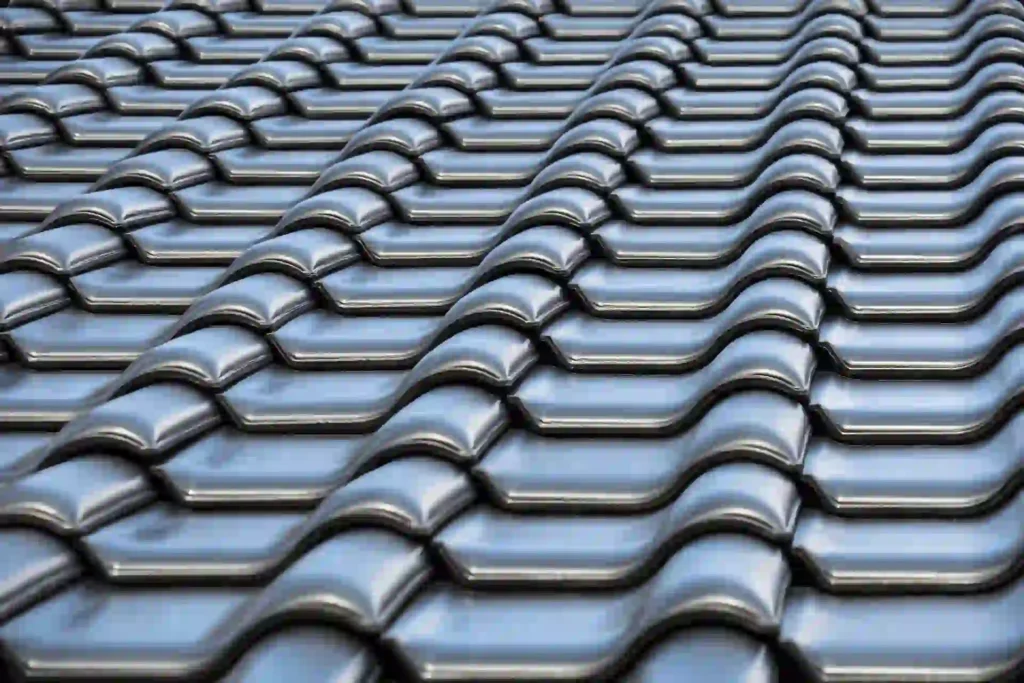
Asphalt shingles are petroleum-based and become measurably more brittle in sustained cold. Repeated expansion and contraction as temperatures swing across freezing throughout a New England winter contributes to the gradual granule loss and cracking that shows up as shingles age, and this cycle happens every winter for the life of the roof.
Metal doesn’t share this particular vulnerability. It handles the expansion and contraction of temperature swings without the same brittleness that affects asphalt over time, which is a meaningful part of why metal roofs commonly last two to three times longer than asphalt in a cold, freeze thaw heavy climate like Massachusetts experiences every winter.
Wind Resistance for Nor’easters
Coastal and inland Massachusetts alike see genuine wind exposure during nor’easters, and this is another area where the two materials diverge. Many metal roofing products carry wind ratings well above 100 mph, while asphalt shingles, even higher-tier architectural products, generally carry lower wind ratings and remain more susceptible to lifting or blow-off in sustained severe wind events.
Energy Efficiency During Massachusetts Winters
Metal roofing reflects and radiates heat differently than asphalt, and depending on the specific product and coating, this can meaningfully affect energy costs. In cold climates specifically, unpainted or lighter-finished metal roofing can help retain some warmth rather than radiating it away, while reflective coatings on metal generally shine in reducing cooling costs during summer heat. Asphalt shingles don’t offer the same reflective or insulating advantage in either direction.
Which Homes Are Better Suited to Each Material
Asphalt makes the most sense when: budget is the primary constraint, you’re not planning to stay in the home for multiple decades, or your roof has a complex shape with many valleys and penetrations where asphalt’s simpler installation and lower material cost keep the project more manageable.
Metal makes the most sense when: you’re planning to stay long-term and want to avoid another Roof Replacement decision in 20 years, your home experiences heavy sustained snow load, or you’re specifically trying to reduce ice dam risk on a roof that’s had recurring problems with it.
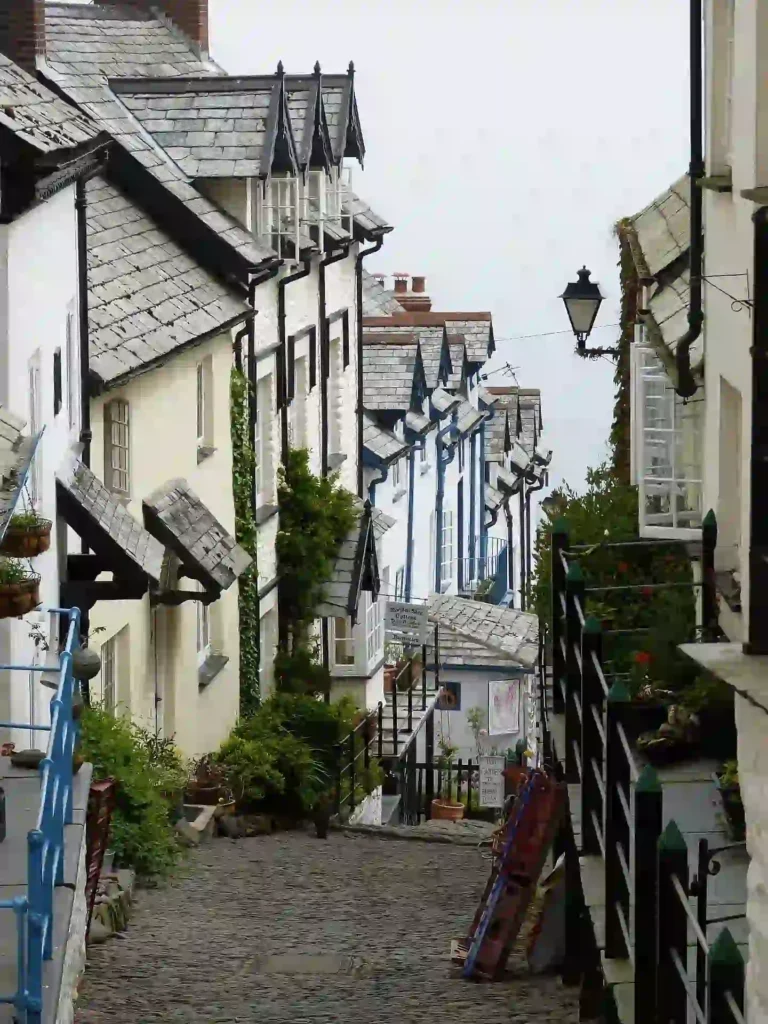
A middle path worth knowing about: synthetic slate and certain textured metal shingle products aim to combine metal’s durability with a more traditional appearance, which can matter on Newton’s Colonial and Victorian housing stock where a standing seam metal roof might not read as architecturally appropriate.
Frequently Asked Questions
Is a metal roof better than asphalt shingles for snow? Yes, in terms of load management. Metal sheds accumulated snow rather than holding it, which reduces sustained structural weight and lowers the freeze-thaw conditions that create ice dams, though snow guards are often needed to manage sudden snow release.
How much more does a metal roof cost than asphalt shingles in Massachusetts? Metal roofing typically runs two to three times the per-square-foot cost of asphalt shingles upfront, though its 40 to 70 year lifespan compared to asphalt’s 20 to 30 years narrows the true cost gap significantly over time.
Do metal roofs prevent ice dams? They reduce ice dam risk by shedding snow and behaving differently under temperature swings, but proper attic insulation and ventilation remain the primary defense against ice dams regardless of roofing material.
Is metal roofing noisy during rain or snow? Metal roofs installed over solid decking with proper underlayment perform similarly to asphalt in terms of interior noise. Older perceptions of loud metal roofing generally come from installations over open framing without a solid deck, which isn’t standard residential practice.
How long does a metal roof last in New England compared to asphalt? A metal roof commonly lasts 40 to 70 years in this climate, roughly two to three times longer than a 20 to 30 year asphalt shingle roof, largely due to metal’s resistance to freeze-thaw brittleness.
Can I install metal roofing on a historic Newton home? It depends on the home and, in some cases, on historic district review. Standing seam metal may not read as architecturally appropriate on a traditional Colonial or Victorian, though textured metal shingle products designed to mimic slate or wood shake are sometimes used as a compromise.
Do metal roofs need snow guards in Massachusetts? Many do, particularly on roofs over walkways, decks, or parking areas, since metal’s smooth surface can release large amounts of snow suddenly rather than gradually. This is a design detail worth discussing directly with your contractor before Roof Installation.
Which material has a better return on investment for resale? Homes with metal roofs tend to see a modest resale value advantage over asphalt, largely reflecting the roof’s remaining service life and lower likelihood a buyer will need to replace it soon after purchase.
There’s no universally correct answer between metal and asphalt for a New England roof. The right choice depends on how long you’re planning to stay, how your roof has handled ice dams and snow load in the past, and what you’re willing to spend upfront versus over time. Newton Roofing Company can walk through both options against your specific roof and budget. Call (857) 219-9090 or request a free estimate to compare what each material would actually cost for your home.